


How to Straighten Teeth Without Braces: Effective Alternatives for a Confident Smile
Đã cập nhật: 27 thg 3
Many adults and teens seek ways to straighten teeth without braces. Whether you’re avoiding metal brackets, looking for a faster option, or searching for a more discreet solution, modern dentistry offers several effective alternatives. This article explores safe, evidence-based methods to straighten teeth without braces, helping you choose the best option to achieve a confident, healthy smile. Let's check it out together with Dental care knowledge right now.
Why People Choose Options to Straighten Teeth Without Braces
Braces are effective, but they aren’t ideal for everyone. Common reasons people prefer alternatives include:
Aesthetics: Metal braces are visible, while alternatives like clear aligners are discreet.
Comfort: Braces can cause mouth irritation; removable options reduce discomfort.
Lifestyle: Some need solutions compatible with sports or public-facing jobs.
Time and convenience: Certain options may require fewer dental visits.

Top Methods to Straighten Teeth Without Braces
Clear Aligners
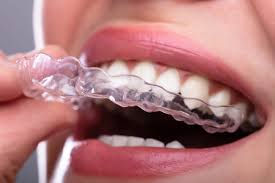
Clear aligners (e.g., Invisalign and other brands) are the most popular non-braces method. They use a series of custom-made, transparent trays to move teeth gradually.
How they work: You wear each tray for about 1–2 weeks, then switch to the next. Aligners apply gentle pressure to shift teeth into place.
Pros: Nearly invisible, removable for eating and brushing, comfortable.
Cons: Require discipline—20–22 hours/day wear recommended; may be more expensive than traditional braces.
Best for: Mild to moderate crowding, spacing, and bite issues.
Dental Veneers
Veneers are thin porcelain or composite shells bonded to the front of teeth to improve appearance.
How they work: Veneers don’t move teeth—they mask misalignment visually by altering tooth shape and position.
Pros: Immediate aesthetic improvement, stain-resistant (porcelain), durable.
Cons: Irreversible (enamel removal often required), do not correct bite or major misalignment.
Best for: Cosmetic correction of minor misalignments, gaps, or uneven teeth.
Dental Bonding
Bonding uses composite resin to reshape teeth and close minor gaps.
How it works: The dentist sculpts resin on the teeth to create the appearance of straighter teeth.
Pros: Quick and affordable, minimally invasive.
Cons: Less durable than veneers, can stain, not a true orthodontic correction.
Best for: Small gaps, slightly uneven teeth, cosmetic touch-ups.
Clear Retainers and Minor Tooth Movement Appliances
Some removable retainers or small fixed appliances can make minor tooth adjustments.
How they work: Customized retainers or devices apply light pressure to reposition one or two teeth.
Pros: Less invasive and often less expensive for small corrections.
Cons: Limited to minor adjustments; not suitable for complex cases.
Best for: Slight rotation or small gap closures.
Palatal Expanders and Other Orthodontic Devices (Non-Braces)
For certain crowded cases, devices like palatal expanders can create space in the upper jaw without traditional braces.
How they work: Expanders widen the dental arch, allowing teeth to shift naturally or to be moved with aligners later.
Pros: Can help avoid extraction and create long-term space.
Cons: Usually used in younger patients; may feel uncomfortable initially.
Best for: Crowding due to narrow dental arches, often in growing children or teens.
Is It Safe to Straighten Teeth Without Braces?
Yes—when supervised by a qualified dental professional. Mismanaged tooth movement can cause root damage, gum recession, or bite problems. Always consult an orthodontist or cosmetic dentist to evaluate:
Severity of misalignment
Bite and jaw health
Dental restorations or missing teeth
A professional assessment ensures you choose a safe, effective plan to straighten teeth without braces.
Cost Comparison
Costs vary widely by method and region:
Clear aligners: Moderate to high (often comparable to braces for complex cases)
Veneers: High per tooth (cosmetic, not orthodontic)
Bonding: Lower cost, but may need replacement sooner
Minor appliances/retainers: Lower cost for small corrections
Insurance coverage depends on policy and whether treatment is deemed medically necessary.
How to Choose the Right Option
Follow these steps
Get a professional evaluation: An orthodontist or cosmetic dentist will recommend options based on X-rays and dental exams.
Define your goals: Cosmetic improvement vs. true orthodontic correction requires different approaches.
Consider maintenance: Some options require replacements, nightly wear, or long-term retainers.
Budget and timeline: Compare costs and expected treatment duration.
Aftercare and Maintenance
Regardless of method, maintain good oral hygiene and follow your dentist’s instructions:
Brush and floss daily.
Use retainers as prescribed to prevent relapse after movement.
Attend follow-up visits to monitor tooth stability.
Protect teeth during sports or at night if recommended.
There are several reliable ways to straighten teeth without braces, from clear aligners and minor orthodontic appliances to cosmetic options like veneers and bonding. The best path depends on the severity of misalignment, your goals, budget, and commitment to aftercare. Schedule a consultation with a licensed orthodontist or cosmetic dentist to get a personalized treatment plan and start your journey toward a straighter, healthier smile.
>>> See more: ways for straighter teeth without braces


Bình luận